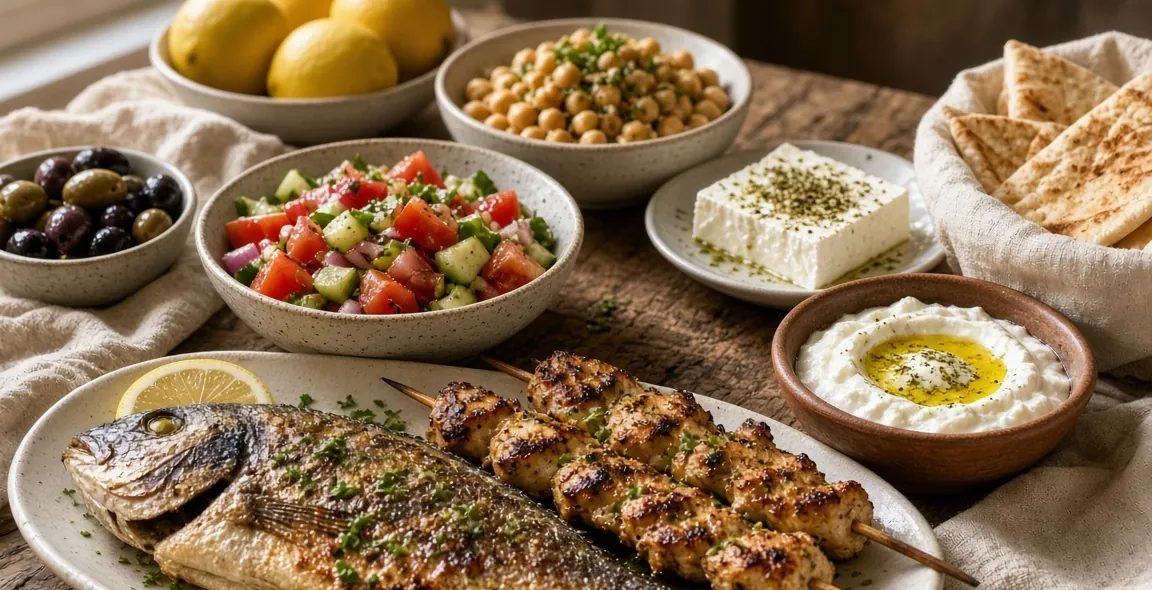
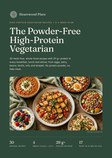
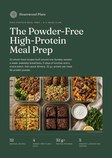
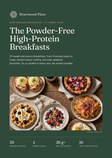
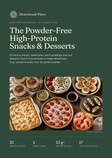
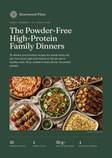
A Mediterranean spread of grilled fish, chicken, yogurt, feta and salads on a table (serving suggestion)
High-protein Mediterranean recipes + a 4-week plan

Sunshine food, with real staying power.

The Powder-Free High-Protein Mediterranean: 30 sun-soaked, whole-food recipes from Greece, Italy, Spain, Turkey, the Levant and North Africa, with 29 g+ protein in every breakfast, lunch and dinner. Olive oil, herbs and real food; no protein powder. Four weekly plans and grocery lists, with every number calculated from USDA data.

  • 50-page PDF
  • Metric + US measures
  • Instant digital download

Plus: use the Cookverter kitchen toolkit for free.

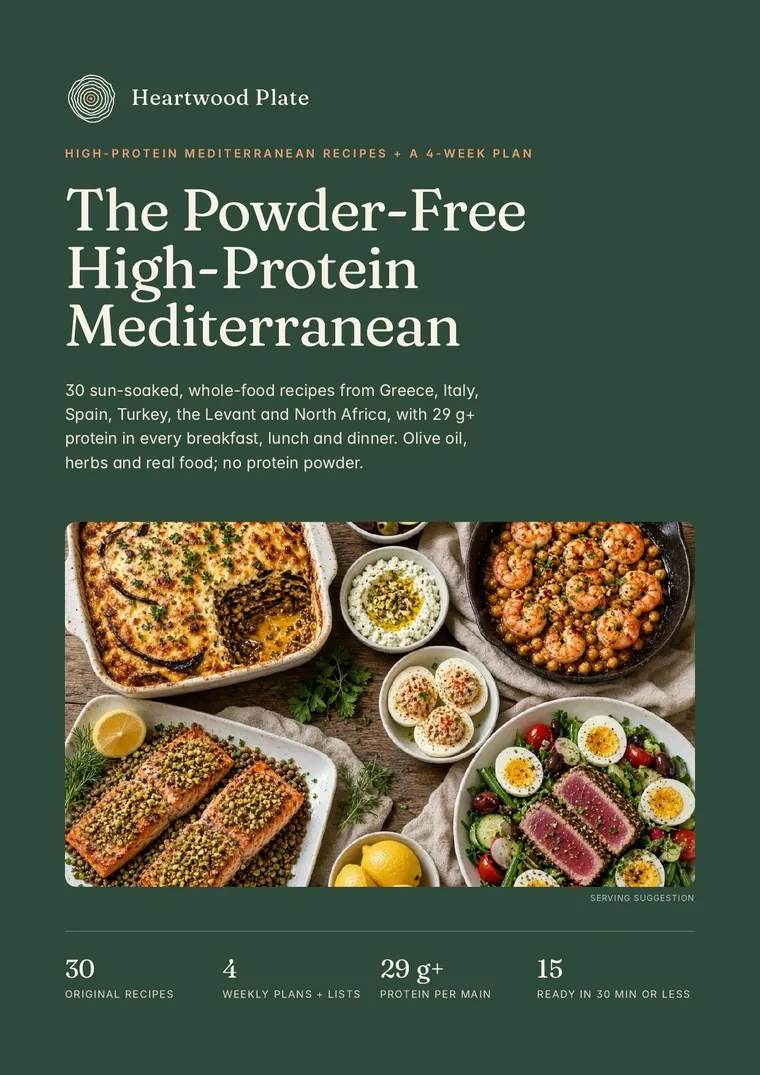
Cover of The Powder-Free High-Protein Mediterranean
$17PDF
Mediterranean food is all about olive oil, vegetables, beans, herbs, bread and fish.From the welcome page.

It is generous and full of flavor, but not always high in protein: a bowl of pasta or a plate of mezze can leave you hungry an hour later.

This book keeps the flavors and moves protein to the center of the plate. Every breakfast, lunch and dinner gives you at least 29 g of protein per serving (on average 44 g), from fish and seafood, chicken, lamb, pork and beef, eggs, Greek yogurt, feta, ricotta, chickpeas and lentils. No shakes, no scoops.

The 4-week plan covers breakfast, lunch, dinner and a snack every day for one adult, from Spanish tapas to Greek bakes, Italian pasta and Moroccan tagine, with batch lunches and quick dinners.

Why it’s different

Sunshine food, with real staying power.

1

No protein powder

Every breakfast, lunch and dinner has 29 g of protein or more (44 g on average), from fish and seafood, chicken, lamb, pork and beef, eggs, Greek yogurt, feta, ricotta, chickpeas and lentils.

2

Around the sea

Recipes from Greece, Italy, Spain, Turkey, the Levant and North Africa, from Spanish tapas to Greek bakes, Italian pasta and Moroccan tagine.

3

Fast when it matters

15 recipes are ready in 30 minutes or less, and the plan pairs batch lunches with quick dinners.

4

Every meal, planned

The 4-week plan covers breakfast, lunch, dinner and a snack every day for one adult, with batch lunches and quick dinners.

5

Numbers you can check

Every ingredient is matched to a USDA FoodData Central entry and added up by script. Every ID is printed in the book.

6

Metric and US

Grams with cups, spoons and ounces alongside. Oven temperatures in °C and °F, for conventional and fan ovens.

It’s for you if…

  • You love Mediterranean flavors: olive oil, herbs, lemon and garlic
  • You want more protein from fish, chicken, eggs, yogurt and legumes
  • You want every meal of the day planned for you
  • You like batch lunches and quick dinners
  • You’d rather eat real food than shakes

It’s not for you if…

  • You need a plan for a medical condition (ask your doctor or a dietitian)
  • You’ve been told to limit protein
  • You want a vegetarian book (it has pescatarian and no-pork swaps, but most dinners use meat or fish)
  • You want a strict ‘diet’ with rules (this is a recipe book with a plan)
  • You want a physical book
From the contents page

What’s in the 50 pages

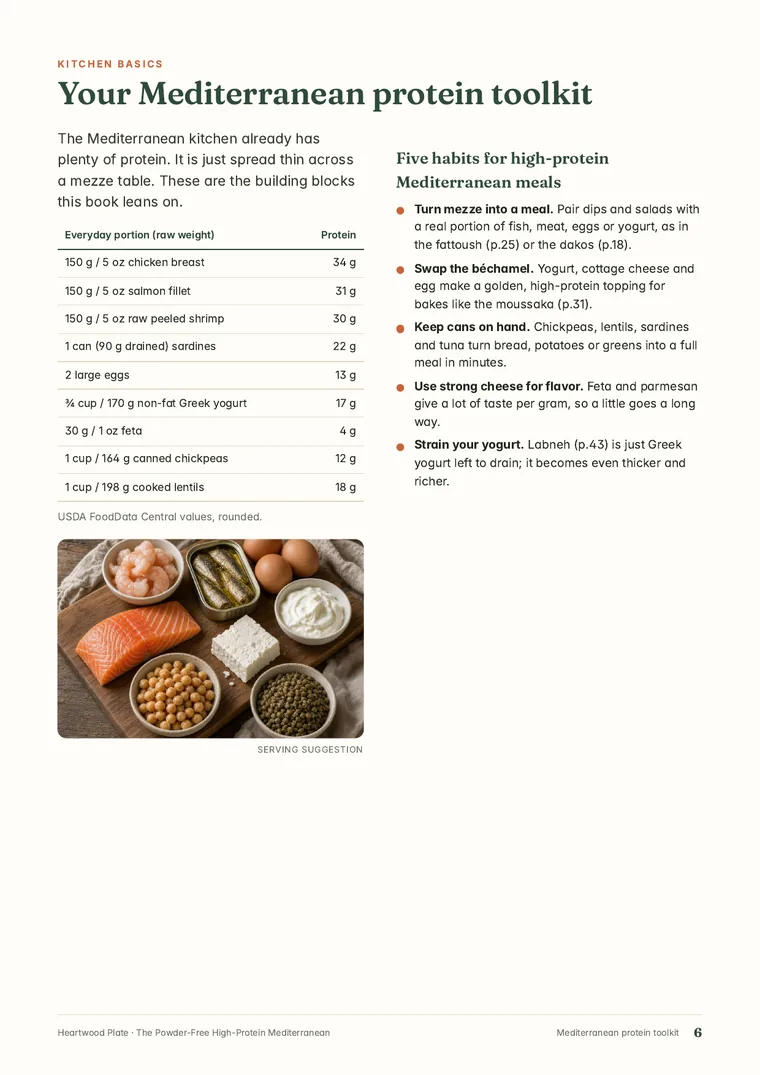
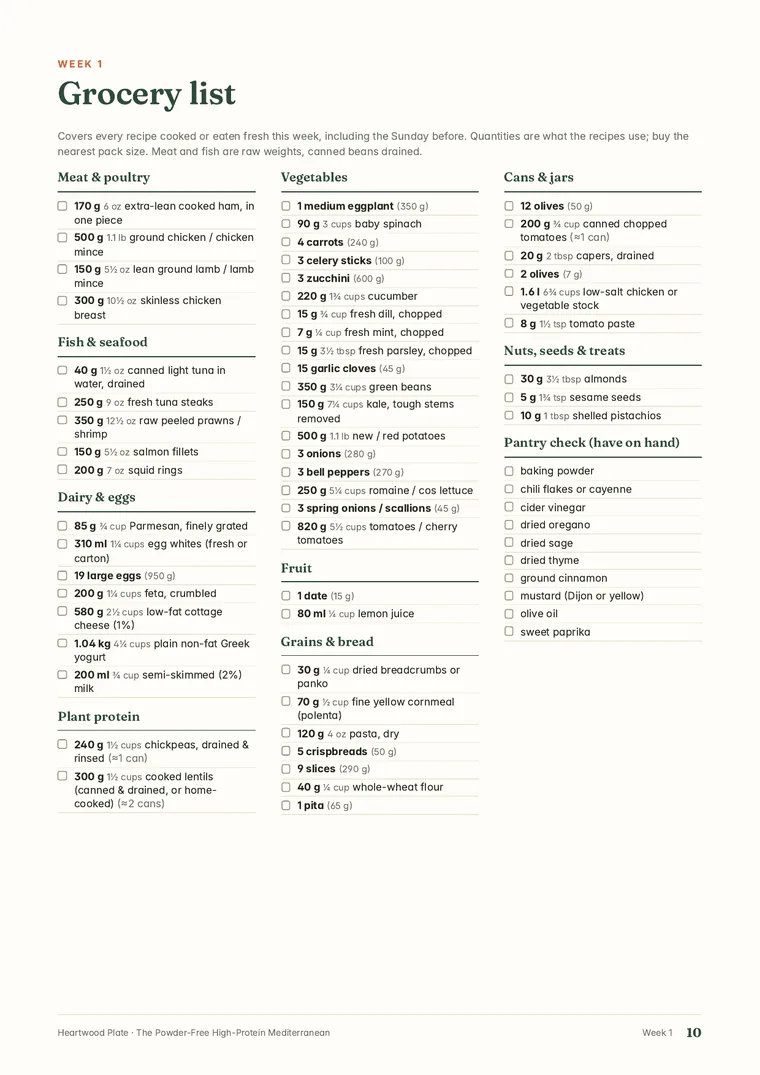
Kitchen basics on pages 6–7: Your Mediterranean protein toolkit and A tour of the Mediterranean. Then four weeks of plans and grocery lists, the recipe chapters, swaps and a nutrition index.

SectionWhat it isPages
WelcomeWhy this bookp. 3
How to use this bookHow the plan worksp. 4
Protein, from real foodKitchen basicsp. 5
Your Mediterranean protein toolkitKitchen basicsp. 6
A tour of the MediterraneanKitchen basicsp. 7
Storing, freezing and food safetyKitchen basicsp. 8
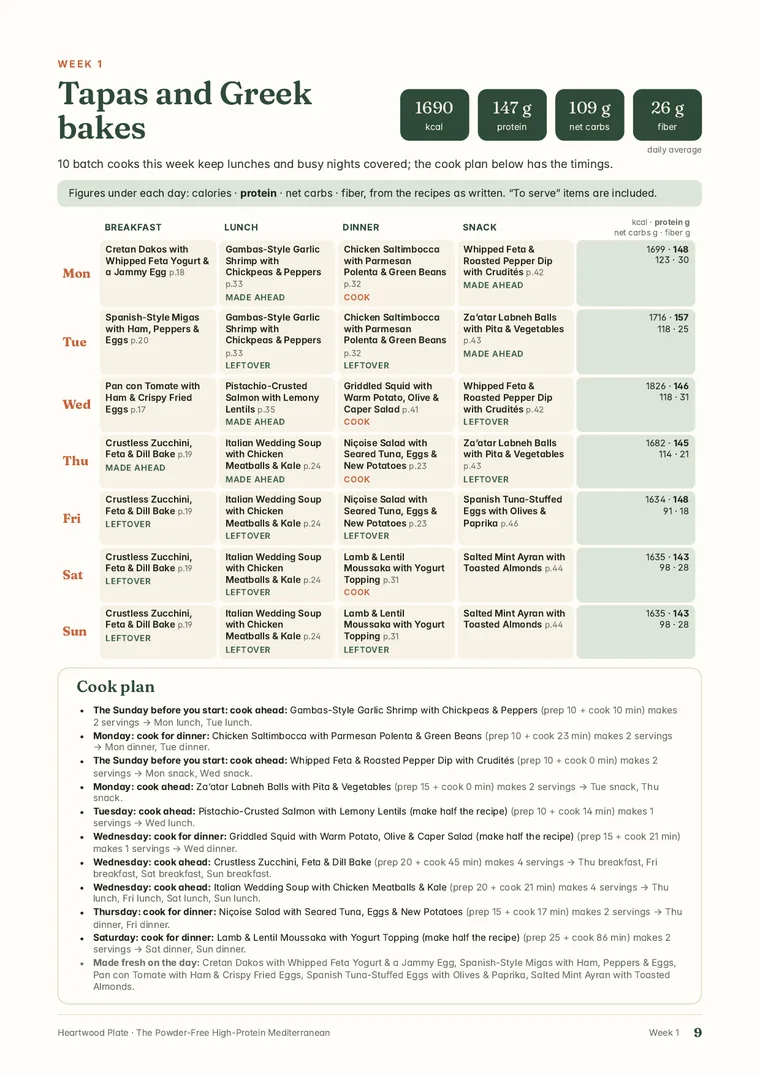
Week 1: Tapas and Greek bakesPlan + grocery listp. 9–10
Week 2: Islands and souksPlan + grocery listp. 11–12
Week 3: Slow stews and Spanish lunchesPlan + grocery listp. 13–14
Week 4: Riviera and fresh fishPlan + grocery listp. 15–16
Breakfasts6 recipesp. 17–22
Lunches8 recipesp. 23–30
Dinners11 recipesp. 31–41
Snacks5 recipesp. 42–46
Swaps and substitutionsSwapsp. 47
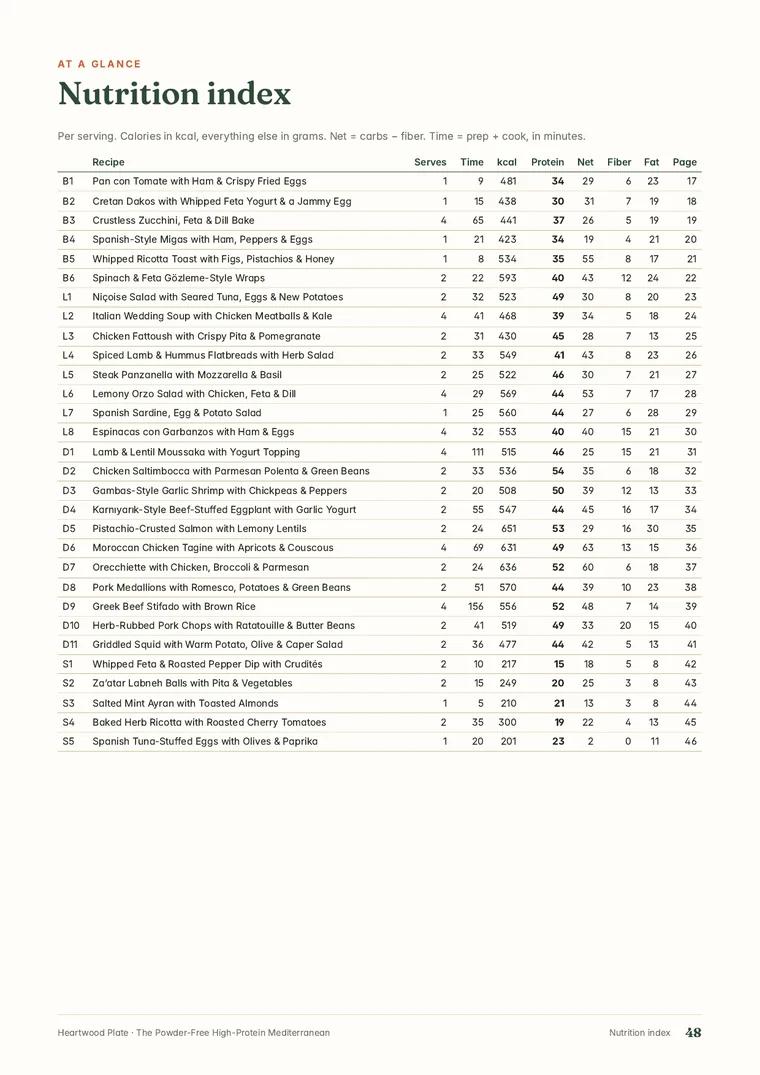
Nutrition indexAll 30 recipes at a glancep. 48
How we calculated + sourcesMethod and sourcesp. 49
What’s inside

50 pages, 30 recipes, 4 weekly plans

148 gprotein a day in the plan, on average
1,796kcal a day (1,634–1,973)
126 gnet carbs a day
30 gfiber a day
Free bonus

Cookverter kitchen toolkit. Cooking in cups or ounces? Use our free online converters for volume, weight, oven temperature and cups to grams by ingredient, plus a recipe scaler, at cookverter.com.

Get the book · $17

Try a recipe free

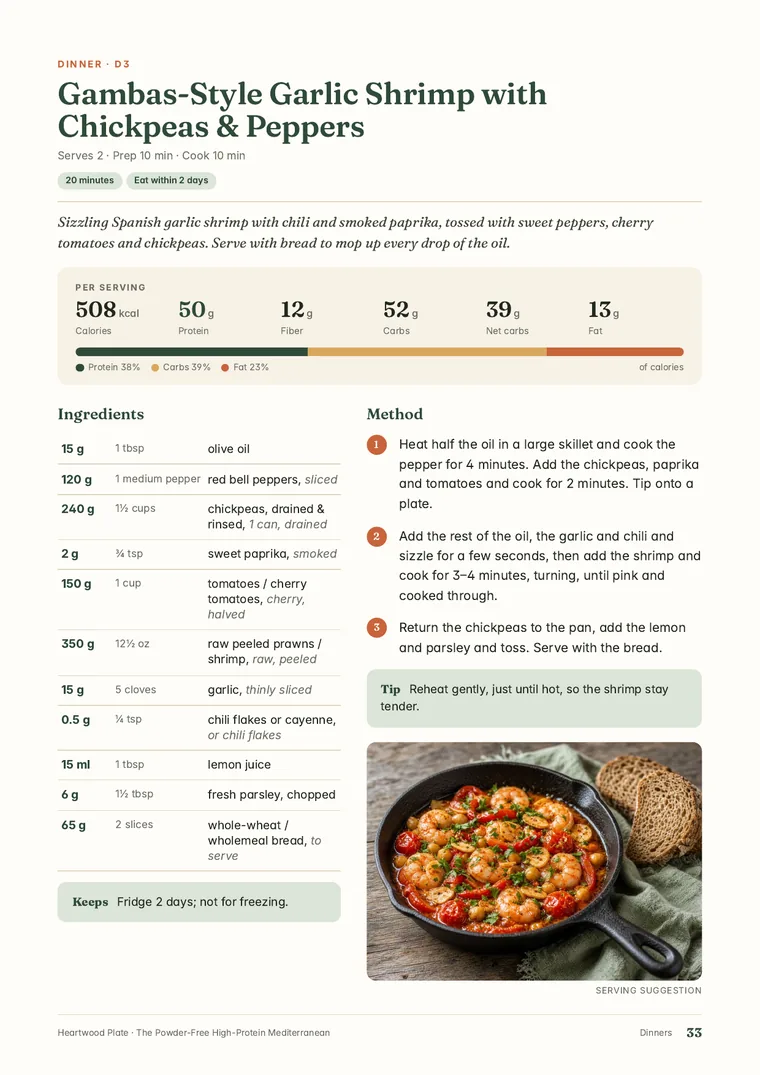
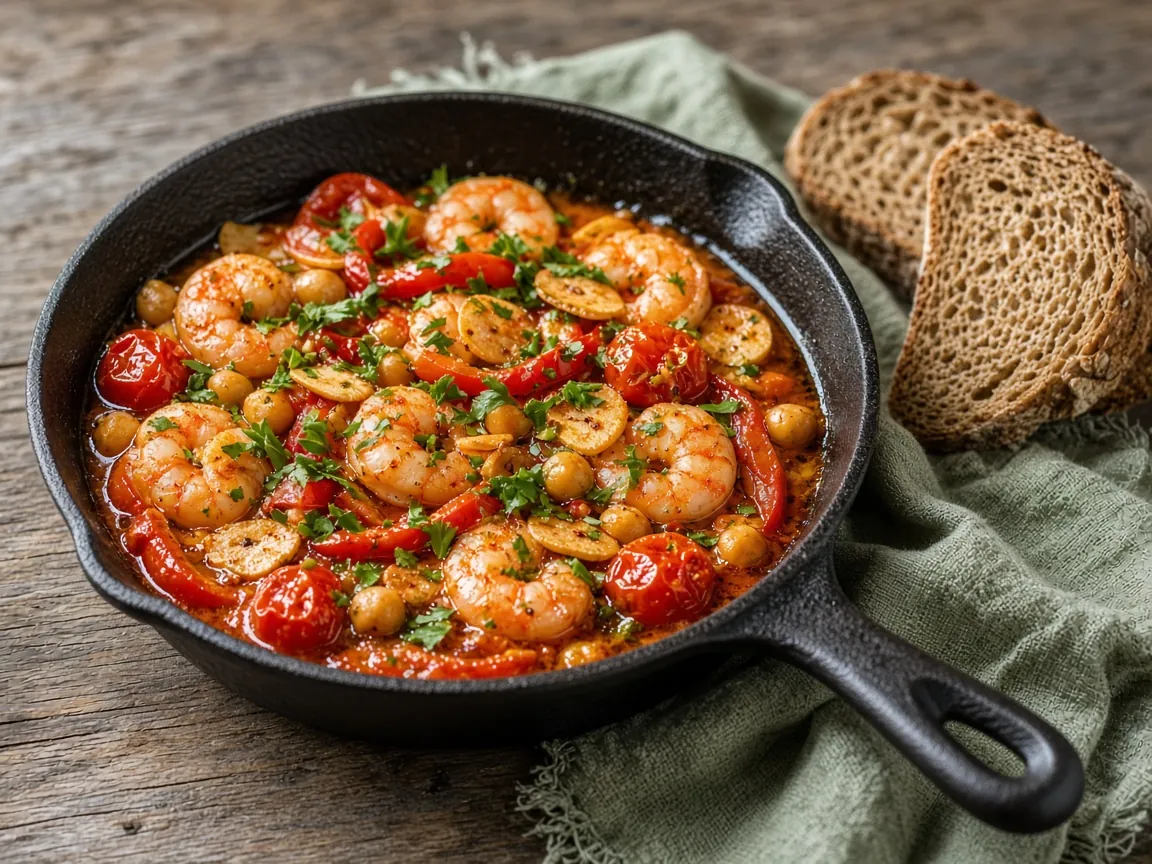
Gambas-Style Garlic Shrimp with Chickpeas & Peppers

Gambas-Style Garlic Shrimp with Chickpeas & Peppers (serving suggestion)
Serving suggestion

Sizzling Spanish garlic shrimp with chili and smoked paprika, tossed with sweet peppers, cherry tomatoes and chickpeas. Serve with bread to mop up every drop of the oil.

Serves 2 · Prep 10 min · Cook 10 min

508kcal
50 gprotein
12 gfiber
52 gcarbs
39 gnet carbs
13 gfat

Ingredients

  • 15 g (1 tbsp) olive oil
  • 120 g (1 medium pepper) red bell peppers, sliced
  • 240 g (1½ cups) chickpeas, drained & rinsed, 1 can, drained
  • 2 g (¾ tsp) sweet paprika, smoked
  • 150 g (1 cup) tomatoes / cherry tomatoes, cherry, halved
  • 350 g (12½ oz) raw peeled prawns / shrimp, raw, peeled
  • 15 g (5 cloves) garlic, thinly sliced
  • 0.5 g (¼ tsp) chili flakes or cayenne, or chili flakes
  • 15 ml (1 tbsp) lemon juice
  • 6 g (1½ tbsp) fresh parsley, chopped
  • 65 g (2 slices) whole-wheat / wholemeal bread, to serve

Method

  1. Heat half the oil in a large skillet and cook the pepper for 4 minutes. Add the chickpeas, paprika and tomatoes and cook for 2 minutes. Tip onto a plate.
  2. Add the rest of the oil, the garlic and chili and sizzle for a few seconds, then add the shrimp and cook for 3–4 minutes, turning, until pink and cooked through.
  3. Return the chickpeas to the pan, add the lemon and parsley and toss. Serve with the bread.

Tip: Reheat gently, just until hot, so the shrimp stay tender.

Keeps: Fridge 2 days; not for freezing.

Cooking for more people? Scale this recipe with Cookverter, our free recipe scaler.

Nutrition per serving, calculated from USDA FoodData Central values. Brands vary. From page 33 of the book.

How we check the numbers

No guessed macros

Most recipe books don’t say where their nutrition numbers come from. Ours do.

  1. Each ingredient is matched to one entry in USDA FoodData Central, the US government’s public food database.
  2. A script multiplies each ingredient by its weight, totals each recipe and divides by servings, for protein, fiber, carbs, fat and calories. Cooking oil and “to serve” toppings are counted in full.
  3. Before every build, the stored values are re-checked against the USDA file. The build also stops if a recipe’s cook time doesn’t match the sum of its timed steps.
  4. Every ingredient’s FDC ID is printed in the back of the book so you can look it up yourself.
Start this week

The Powder-Free High-Protein Mediterranean

High-protein Mediterranean meals from real, everyday food. No powders, no scoops, no guesswork.

$17USD · one-time
  • 50-page PDF to read on any device or print
  • 30 original recipes with full nutrition
  • 4 weekly plans, cook plans and grocery lists
  • Mediterranean protein toolkit, a tour of the region and food-safety guide
  • Metric and US measures, °C and °F
  • Free bonus: the Cookverter kitchen toolkit (cookverter.com)
Buy now · $17

Secure checkout with Stripe. Digital download: nothing is shipped.

Questions

Frequently asked

Do I need protein powder?

No. Every recipe gets its protein from ordinary foods: fish and seafood, chicken, lamb, pork and beef, eggs, Greek yogurt, feta, ricotta, chickpeas and lentils.

How much protein?

Every breakfast, lunch and dinner has 29 g of protein or more, 44 g on average. The snacks are lighter, from 15 g up. Days average about 1,796 kcal (from 1,634 to 1,973) and 148 g of protein across four meals: breakfast, lunch, dinner and a snack. Need more? Add bread, fruit, rice or potatoes and keep the protein.

Is it pescatarian or pork-free?

Not as written, but the swaps page has a pescatarian section and a no-pork section (chicken or turkey ham in the breakfasts and lunches, chicken breast or lamb leg steaks instead of the pork dinners).

Which countries do the recipes come from?

Greece and Crete, Italy, Spain, Turkey, the Levant and North Africa. The book has a page that maps the recipes to where they come from.

How were the numbers calculated?

Each ingredient is matched to a specific USDA FoodData Central entry, and a script adds them up per recipe and per day. The ID for every ingredient is printed in the book. Figures are estimates: brands vary.

I take medication or have a health condition. Is this right for me?

Please ask your doctor first. This book is general information, not medical advice, and is not designed for any medical condition. That matters especially if you have kidney or liver disease, diabetes, a digestive condition, have been told to limit protein, or are pregnant or breastfeeding.

What do I get, and how?

A 50-page PDF you can read on a phone, tablet or computer, or print. It is a digital download; nothing is shipped.